
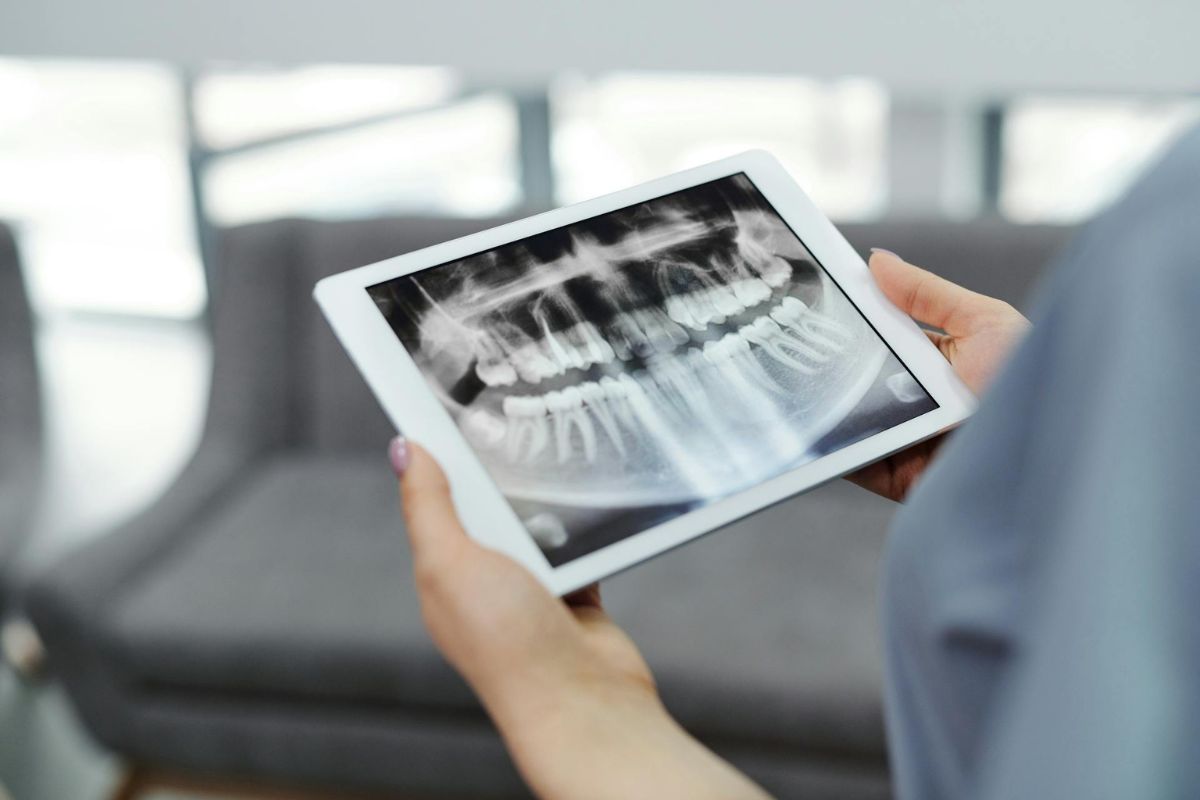
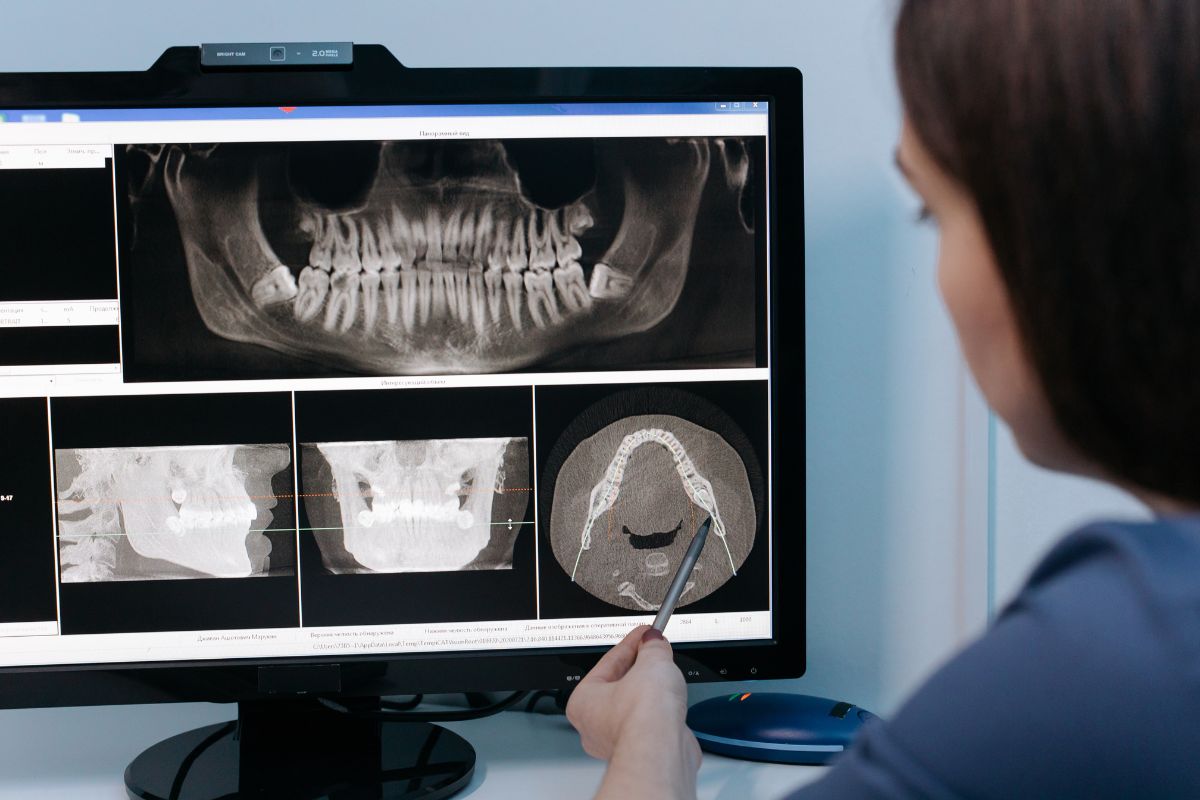
2D dental imaging focuses on capturing flat, two-dimensional X-ray images of teeth and jaw structures. It includes routine services such as periapical X-rays, bitewings, and panoramic radiographs to assess dental health and detect issues. 2D imaging is a fundamental diagnostic tool that provides clear visualization of individual teeth, root structures, and bone levels, essential for identifying cavities, bone loss, and other oral health concerns.
Routine services include preventive X-rays, diagnostic imaging, and comprehensive radiographic documentation, which are essential for preventing cavities, detecting periodontal disease, and monitoring overall oral health. 2D imaging is cost-effective, uses minimal radiation, and provides reliable diagnostic information for treatment planning.
Please note: A written interpretation of an image, upon the client's request, is charged separately.
Image + interpretation (consultation): 70 EUR
2D Snapshots - Our Services


Key Benefits of Our Imaging Services
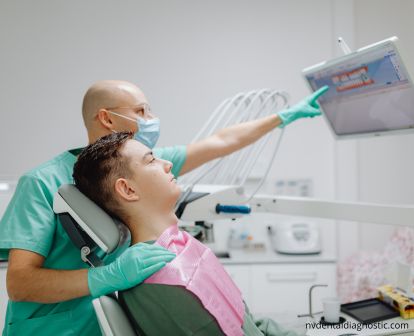
Both 2D and 3D imaging services offer comprehensive diagnostic capabilities that help in early detection of issues, allowing for prompt treatment and prevention of more serious conditions.
- Accurate diagnostic imaging
- Precise treatment planning
- Advanced visualization technology
- Minimal radiation exposure
- Quick and reliable results
Routine services include preventive X-rays, diagnostic imaging, and comprehensive radiographic documentation, which are essential for preventing cavities, detecting periodontal disease, and monitoring overall oral health. 2D imaging is cost-effective, uses minimal radiation, and provides reliable diagnostic information for treatment planning.
FAQs
Everything you need to know about dental diagnostic imaging
2D imaging provides flat X-ray images of teeth and jaw, while 3D imaging (CBCT) creates detailed three-dimensional images for complex cases requiring precise surgical planning.
Dental imaging uses minimal radiation. 2D X-rays use very low doses, and modern 3D imaging (CBCT) has been optimized to reduce radiation while maintaining image quality.
We recommend routine 2D imaging annually or as needed, while 3D imaging is typically recommended for specific diagnostic or surgical planning purposes when clinically indicated.
Dental X-rays are considered safe. The radiation exposure is minimal and well below harmful levels. We use modern equipment and protective measures to further minimize exposure.
Yes, we welcome previous imaging records. Bringing your prior X-rays helps us reduce unnecessary repeat imaging and allows for better comparison and continuity of care.
